

Overnight Affirmations for Anxious Attachment Styles
Rewire Your Brain for Secure Love While You Sleep
Does your mind get louder the moment the lights go off? For many people with anxious attachment, nighttime is when the spiraling begins. You replay a text, analyze your partner’s tone, wonder if you said too much, and feel your body tighten as if something bad is about to happen. That isn’t “just overthinking.” It’s often a nervous system that learned to scan for disconnection before it learned how to rest.
Overnight affirmations for anxious attachment styles can help, but only when you use them in a grounded, trauma-informed way. They’re not magic. They won’t erase attachment wounds while you sleep. What they can do is give your mind and body a different message to practice receiving, especially in the vulnerable space between waking and sleep.
Some people respond well to repeating a short phrase to themselves. Others do better with a voice memo played softly as they fall asleep. If you’ve ever tried affirmations and felt irritated, emotional, or numb, that doesn’t mean you failed. It usually means the statement was too far from what your system can believe right now.
How to use these affirmations effectively
- Record your own voice: Use Voice Memos or any simple recorder on your phone. Your own voice can feel less foreign and less performative than a generic audio track.
- Pair with breathing: Before you listen, do a few rounds of box breathing. Inhale for 4, hold for 4, exhale for 4, hold for 4. The point is to lower activation first.
- Create a short loop: Pick one or two affirmations, leave pauses between them, and play them at a low volume as you fall asleep. Low volume works better than forcing yourself to “take it in.”
- Start gentler than you think: If “I am completely safe” makes your body tense, try “I am learning to feel safer in my body.”
For added support, you can explore guided practices on Bev Mitelman’s Securely Loved YouTube channel, where the focus is nervous system regulation, attachment healing, and practical tools that don’t bypass the body.
1. I am worthy of consistent, safe love even when I'm not trying to earn it
This affirmation gets right to the center of anxious attachment. Many people don’t just want love. They feel they have to secure it through effort, perfection, helpfulness, sex, achievement, emotional labor, or constant availability.
That pattern shows up everywhere. A woman overfunctions at work, then overfunctions in dating. A man apologizes for having needs before he even says them. Someone says yes when they mean no because they fear disappointing the person they love.
Why this one matters at night
At bedtime, the performance layer often drops. That’s when the deeper belief comes forward: If I stop trying, will I still be loved?
This is why I often suggest using this affirmation in a softer form first. “I am open to learning that love can be safe and steady” may land better than a statement that feels too absolute. If your body braces against the words, scale them down until they feel reachable.
Practical rule: The best affirmation is not the most inspiring one. It’s the one your nervous system can receive without going into a fight.
One common real-world example is the person who can’t rest on the couch without feeling guilty. If that’s you, your body may have linked worth with usefulness. Repeating this statement before sleep can support a different association. Rest doesn’t make you less lovable.
How to work with resistance
Try writing the sentence in a journal before bed, then reading it aloud slowly. Add one hand to your chest or upper belly so the statement isn’t only cognitive. If you notice sadness, that makes sense. Many people are grieving the fact that no one taught them this early on.
Research summarized by Heirloom Counseling on attachment transmission and secure attachment rates notes that approximately 85% of children inherit the same attachment pattern as their primary caregiver, and only 58% of adults have a secure attachment style. For many readers, this means the urge to earn love didn’t start with you. But it also means conscious healing matters.
If you’re building toward a more stable way of relating, secure attachment in adulthood can become a lived experience, not just a concept you read about online.
2. My partner's need for space is not rejection; it reflects their needs, not my worth
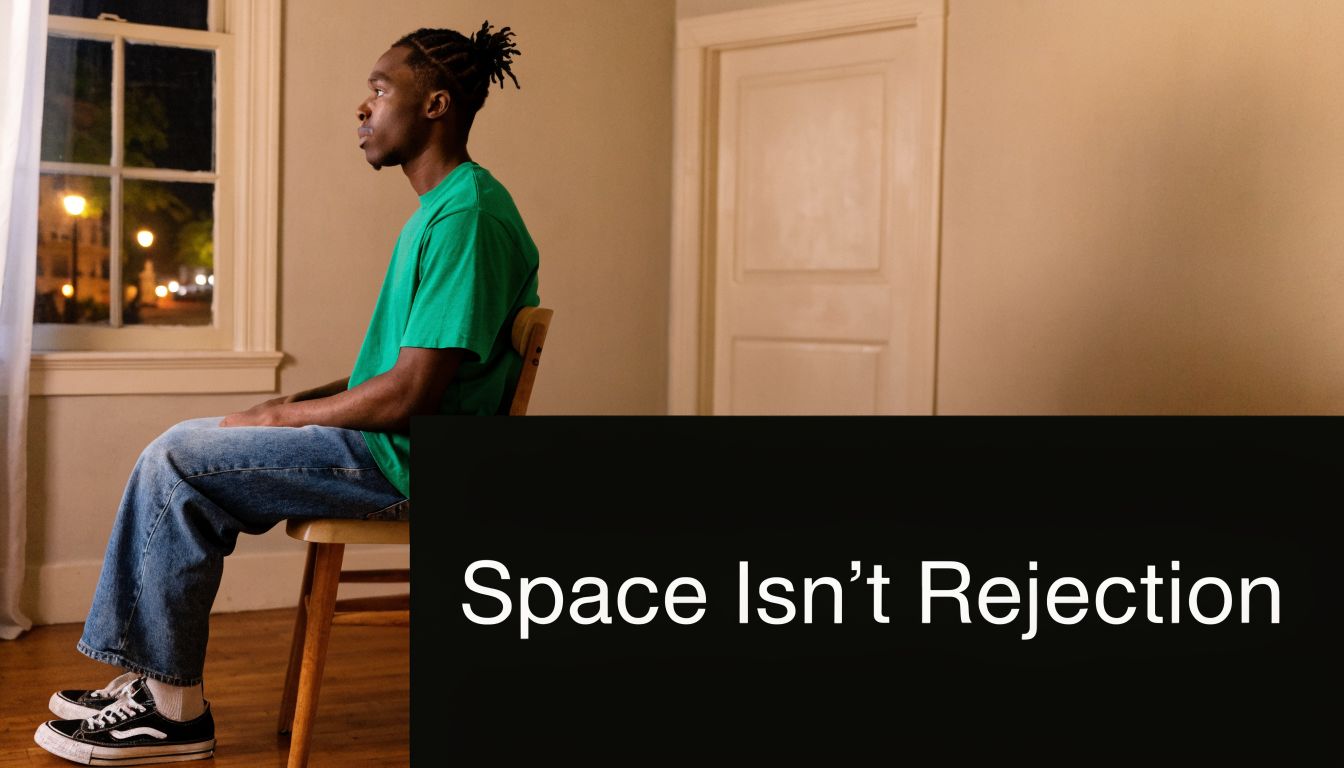
A lot of anxious attachment suffering happens in the gap between what occurred and what your mind made it mean.
Your partner says they’re tired. They want a quiet night. They take longer to text because they’re in meetings. They seem preoccupied for a day or two. An anxious system can translate all of that into one message: something is wrong with us.
What this sounds like in daily life
This is the person who sees “talk later” and hears “I’m pulling away.” It’s the partner who starts drafting three follow-up texts after one delayed reply. It’s also the person who knows, logically, that people need space, but still feels a rush of panic when it happens.
That panic is real. The story attached to it often isn’t.
Space in a healthy relationship isn’t always distance. Sometimes it’s just breathing room.
Using this affirmation overnight can help interrupt the automatic personalization of someone else’s behavior. Not every pause is abandonment. Not every need for solitude is a verdict on your value.
How to make it more believable
Pair this one with a grounding exercise before bed. Name five things you can see, four you can feel, three you can hear, two you can smell, and one you can taste. Then repeat the affirmation slowly.
You can also ask yourself one simple question when activated: “What else could be true?” Maybe your partner is overloaded. Maybe they’re introverted. Maybe they need time to think. That doesn’t mean your fear disappears instantly, but it gives your brain another path besides catastrophe.
If over-texting or reassurance-seeking is one of your patterns, practice delaying action. Set your phone down, do ten alternating hand taps on your shoulders, and let the urge crest before you decide what to do.
3. I can feel anxious and still be safe; discomfort is not danger
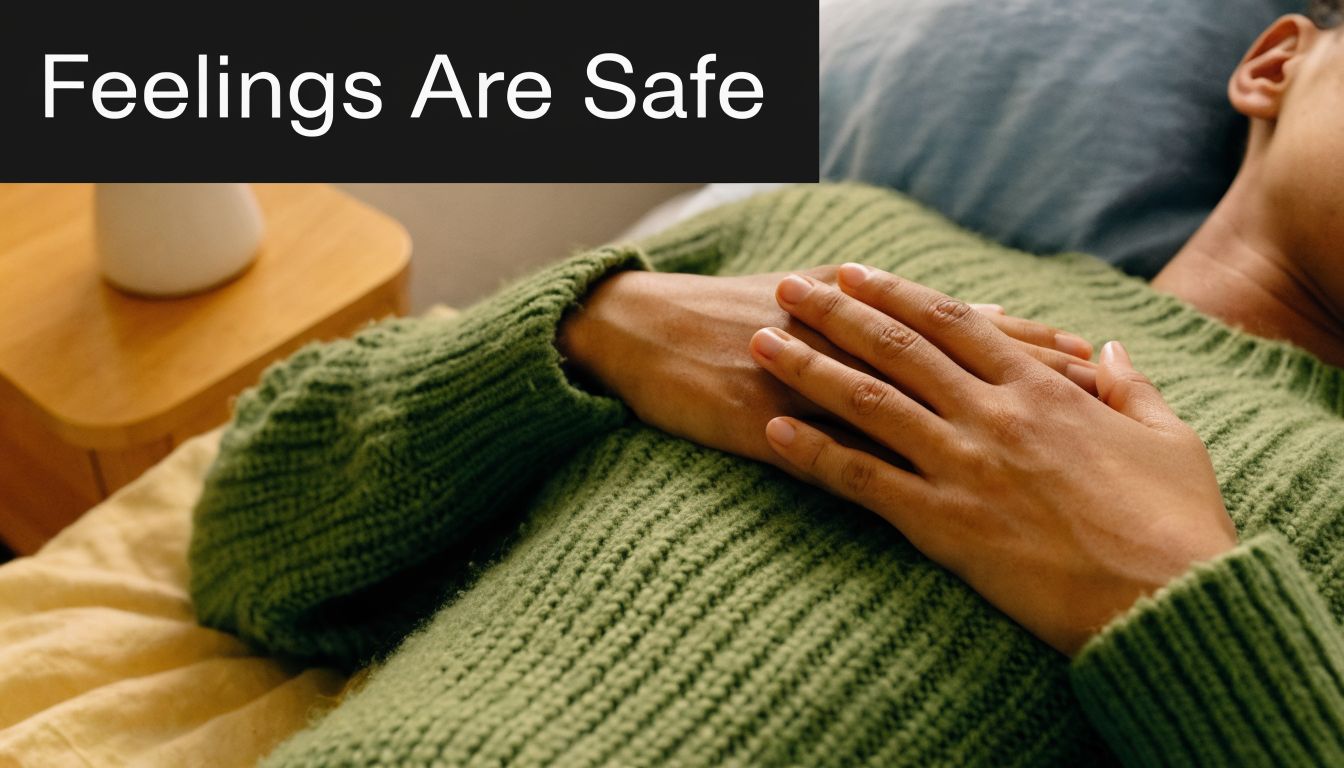
This is one of the most important shifts in attachment healing. Anxiety feels urgent, so people assume it means something urgent is happening. Often, it means your body is activated, not that you’re in immediate danger.
That distinction changes everything.
A delayed text can create a pounding heart, a tight chest, nausea, and racing thoughts. In the moment, your body may treat uncertainty as threat. The work is learning to say, “I am activated, and I am still okay.”
Why this works better than arguing with yourself
When people are anxious, they often try to think their way out of it. They tell themselves they’re being irrational, dramatic, needy, or too much. That usually adds shame on top of fear.
This affirmation is more effective because it doesn’t demand that anxiety vanish. It teaches containment. You can feel the wave without obeying it.
Use it with box breathing, or place a hand on your chest and one on your stomach while you repeat it. The body cue matters. If you only say the words while scrolling your phone in a panic, they won’t resonate as effectively.
A simple bedtime practice
- Notice the sensation: Tight throat, clenched jaw, shallow breath, buzzing in the chest.
- Name the state: “I’m anxious right now.”
- Add the affirmation: “I can feel anxious and still be safe.”
- Wait before acting: Let a few breaths pass before you text, explain, chase, or fix.
Some people like to keep a safety evidence list in Notes on their phone. It can include moments when they felt strong anxiety and the feared outcome didn’t happen. Reviewing that list before sleep can help the body learn that discomfort and catastrophe aren’t the same thing.
4. I trust myself to recognize genuine care and to let go of what no longer serves me
Anxious attachment doesn’t only create fear of being left. It can also make people stay too long, override their intuition, and confuse inconsistency with chemistry.
You may know this pattern if you’ve talked yourself out of red flags because losing the relationship felt worse than losing yourself. Or maybe you keep giving “one more chance” long after your body has started telling you the truth.
Where this affirmation helps
This statement supports self-trust, which many anxiously attached people were never taught to build. If your early environment was inconsistent, you may have learned to monitor others more than yourself. You became skilled at reading moods, adjusting quickly, and staying connected. You may not have learned how to ask, “Do I feel safe here?”
That’s why this affirmation matters. It reminds you that secure love is not just about being chosen. It’s also about your ability to discern.
A common example is the person who keeps dating emotionally unavailable partners and then feels shocked each time the pattern repeats. The healing moment often isn’t when they finally get chosen. It’s when they start noticing the mismatch early and stop bargaining with reality.
A practical way to use it
Before bed, think of one time your intuition was right. Not mystical. Just clear. Maybe you sensed a friendship had become one-sided. Maybe you knew a partner’s promises didn’t match their capacity. Maybe you realized you were staying because you were scared, not because it was healthy.
Then repeat the affirmation and let that memory anchor it.
Your healing grows when you stop asking, “How do I make this person stay?” and start asking, “What is this relationship asking me to abandon in myself?”
If you’re in the painful middle of loosening a bond that isn’t good for you, why letting go feels impossible and how to do it anyway can help you separate attachment panic from genuine love.
5. I am learning to soothe my own nervous system; I don't need my partner to regulate me
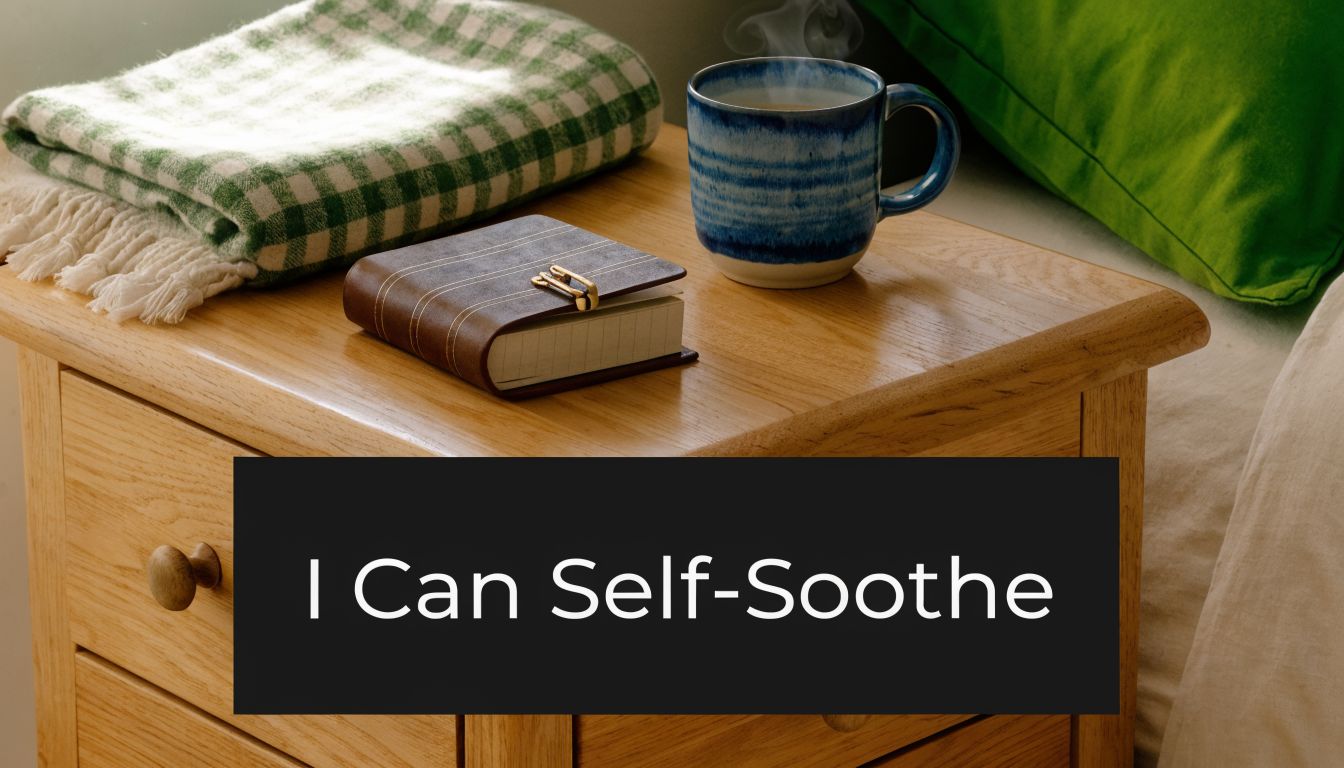
Many people with anxious attachment use relationships as their main calming strategy. They reach for a text, a call, eye contact, reassurance, cuddling, or immediate repair because their body has learned, “I can settle only if you settle me.”
Connection is healthy. Dependency on another person to bring you back to baseline every time you’re activated will exhaust both of you.
What this looks like in practice
You feel off, so you contact your partner right away. They reassure you, and you feel relief. Then the relief fades. You need another sign. Another check-in. Another confirmation that everything is still okay.
This isn’t neediness in a moral sense. It’s a regulation pattern. But it’s one that can keep your system from developing internal steadiness.
A more healing response sounds like this: “I want connection, and I can also care for my body while I wait.”
Build a bedtime self-soothing kit
Use this affirmation while building a repeatable nighttime routine. Keep it simple.
- Choose one body-based tool: A weighted blanket, gentle stretching, a body scan, or progressive muscle relaxation.
- Choose one comfort cue: Herbal tea, dim light, a familiar lotion scent, or soft music.
- Choose one written outlet: A notebook where you name the trigger instead of texting from the trigger.
- Choose one sleep support if it fits your routine: Some people also explore natural calm and sleep solutions as part of a larger wind-down ritual.
A growing body of overnight affirmation content encourages very low-volume playback and repeated listening over time, but the strongest practical results come when the audio is paired with regulation and not used as a substitute for it. In my clinical view, that’s the difference between soothing and bypassing.
For a deeper foundation, nervous system regulation is the skill underneath almost every secure attachment behavior you’re trying to build.
6. My past relationships don't determine my future; I'm actively healing my attachment patterns
When someone has been ghosted, cheated on, strung along, or repeatedly chosen unavailable people, they often start treating the pattern like fate. They say things like, “This is just what happens to me,” or “I always pick the same person in a different body.”
Painful history can become identity fast.
Why this affirmation matters after heartbreak
This statement helps separate your history from your destiny. That doesn’t mean pretending the past didn’t shape you. It means refusing to let old pain write the entire script for what comes next.
A person recovering from betrayal may swing between hypervigilance and hopelessness. They want love but expect harm. They crave closeness but distrust it. Overnight repetition of this affirmation can support a more balanced message: I’ve been hurt, and I’m still capable of healing.
This is especially useful for people who sabotage new connections by assuming they’ll end the same way old ones did. Caution is wise. Expecting reenactment can keep you trapped in the very cycle you want to leave.
Use memory as evidence of change
Before sleep, name one way you’re different now than you were in your last painful relationship. Maybe you notice red flags sooner. Maybe you speak up earlier. Maybe you no longer confuse inconsistency with passion. Maybe you take breaks when you’re flooded instead of escalating.
Those are not small things. They’re signs that healing is already happening.
There’s also a practical limit to what affirmations can do on their own. Existing overnight affirmation content often promises deep subconscious change, but much of it stays generic and repetitive. If the words aren’t paired with lived practice, the old relationship template tends to stay in charge. Use the statement as reinforcement for the work you’re already doing, not as a replacement for it.
7. I am enough exactly as I am right now; growth happens from self-acceptance, not self-rejection
The anxious attachment voice is often harsh. It says you’re too much, too sensitive, too needy, too emotional, too hard to love. Or it says the opposite. That you’re not enough, not interesting enough, not attractive enough, not successful enough to be chosen and kept.
Either way, shame ends up running the relationship from the inside.
Why shame keeps people stuck
People often believe self-criticism will motivate change. In attachment healing, it usually does the opposite. Shame pushes the nervous system into threat. Threat narrows your options. Then you fall back into the same old protest, collapse, overgiving, or panic.
Self-acceptance isn’t complacency. It’s the condition that makes real change possible.
One common example is the high-achieving person who looks confident from the outside but feels defective to their core in intimate relationships. They use achievement to compensate for an internal fear that if anyone sees the whole truth, they’ll leave. This affirmation interrupts that compensatory loop.
A better nighttime script
Try pairing this affirmation with a brief loving-kindness practice. Place a hand on your heart and say:
- May I be kind to myself tonight
- May I feel safe enough to rest
- May I remember that I don’t have to earn my place in love
“I am enough” may feel too big at first. “I am practicing being on my own side” is often a better doorway.
If self-acceptance brings up grief, that’s normal. Many people are meeting their own tenderness for the first time. Stay there. That moment is often more healing than forcing yourself to believe a polished statement your body rejects.
7-Point Overnight Affirmations Comparison for Anxious Attachment
| Affirmation | Implementation Complexity (🔄) | Resource Requirements (⚡) | Expected Outcomes (📊) | Ideal Use Cases (💡) | Key Advantages (⭐) |
|---|---|---|---|---|---|
| I am worthy of consistent, safe love even when I'm not trying to earn it | High 🔄, repeated nightly practice; may trigger grief/resistance | Low ⚡, journaling, breathing exercises, consistent repetition | Strengthened self-worth; reduced people-pleasing; better boundaries 📊 | Core anxious attachment work; perfectionism and performance-driven relationships 💡 | Directly targets conditional-worth beliefs; foundational for change ⭐ |
| My partner's need for space is not rejection; it reflects their needs, not my worth | Moderate 🔄, cognitive reframing and trust-building practice | Low ⚡, grounding techniques, journaling, partner conversations | Less hypervigilance; reduced reassurance-seeking; healthier autonomy 📊 | When partners request solitude or during periods of reduced contact 💡 | Separates partner behavior from self-worth; prevents pursue-withdraw cycles ⭐ |
| I can feel anxious and still be safe; discomfort is not danger | Moderate–High 🔄, nervous system retraining and somatic practice | Moderate ⚡, box breathing, somatic exercises, therapist support | Improved distress tolerance; fewer reactive behaviors; better self-soothing 📊 | Acute physiological anxiety, checking behaviors, panic-like responses 💡 | Recalibrates threat detection; builds emotional tolerance and resilience ⭐ |
| I trust myself to recognize genuine care and to let go of what no longer serves me | Moderate 🔄, pattern recognition and boundary practice | Low–Moderate ⚡, journaling, decision exercises, therapy as needed | Greater agency; clearer boundaries; fewer repeat partner choices 📊 | Repeatedly choosing unavailable partners; deciding to leave unhealthy relationships 💡 | Builds internal authority and discernment for healthier choices ⭐ |
| I am learning to soothe my own nervous system; I don't need my partner to regulate me | High 🔄, sustained practice to replace external regulation | Moderate ⚡, self-soothing toolkit, somatic practices, apps/therapy | Reduced dependence on partner; improved relationship satisfaction; less pursuit 📊 | Codependency or heavy reliance on partner for calm; relationship strain 💡 | Decreases burden on partner; strengthens internal regulation capacity ⭐ |
| My past relationships don't determine my future; I'm actively healing my attachment patterns | Moderate 🔄, requires paired therapeutic integration | Moderate ⚡, therapy, journaling, recovery rituals, time | Lower repetition compulsion; increased hope and openness to healthy relationships 📊 | Post-breakup recovery; interrupting repeating patterns of hurt 💡 | Shifts narrative from victimhood to active healing; supports long-term growth ⭐ |
| I am enough exactly as I am right now; growth happens from self-acceptance, not self-rejection | Moderate 🔄, challenges identity built on self-improvement | Low ⚡, loving-kindness practices, journaling, self-compassion exercises | Reduced perfectionism and shame; improved emotional regulation 📊 | High-achieving individuals with internalized inadequacy; chronic self-criticism 💡 | Encourages self-compassion as the basis for sustainable growth ⭐ |
From Anxious Nights to Secure Mornings Your Path Forward
Using overnight affirmations for anxious attachment styles can become a meaningful part of healing, especially if nighttime is when your fear gets the loudest. They can help you interrupt old scripts, soften shame, and create a steadier inner voice to return to when anxiety spikes. But the genuine shift doesn’t come from repeating perfect words. It comes from repetition plus regulation, honesty, and lived experience.
Be gentle with your process. If an affirmation makes you cry, tense up, or feel angry, that doesn’t mean it’s wrong. It may mean the statement touches a place in you that never got what it needed. Sometimes resistance is grief. Sometimes it’s a sign that the wording is too big and needs to be softened. You don’t need to force your body into agreement.
A nervous-system-first approach is key. Use the affirmations after you’ve helped your body settle, not while you’re trying to overpower panic. Keep the volume low. Keep the message simple. If sleeping with audio all night leaves you feeling unsettled, switch to listening only as you fall asleep. More is not always better.
There’s also an important reality check here. Affirmations are a support, not a stand-alone cure. If you’re in a relationship with chronic inconsistency, poor boundaries, or repeated emotional injury, no amount of soothing audio can make that feel secure. If you’re carrying deep attachment trauma, the words need to be paired with real therapeutic work, body-based regulation, and new relational experiences that teach your system something different.
Still, don’t underestimate what a steady bedtime practice can do. A short voice memo in your own voice. A hand on your chest. A few slow breaths. One believable sentence repeated night after night. Those small moments teach your body that safety can start within, even if that wasn’t how life began.
If you want to keep going, take the next step in a way that feels manageable. You might start by identifying your attachment style more clearly, noticing your evening triggers, or getting support that addresses both your patterns and your physiology. Healing anxious attachment isn’t about becoming less needy, less emotional, or less relational. It’s about becoming more anchored in yourself so love stops feeling like a threat to survive.
Securely Loved offers trauma-informed support for adults healing anxious, avoidant, and disorganized attachment through a nervous-system-first lens. If you’re ready for more than surface coping, visit Securely Loved to explore the attachment style quiz, practical resources, and a complimentary 15-minute connection call.